Back to index
A special plot of land with over 300 years of family heritage.
You may stumble upon Courtenhall estate and not quite realise what you're stepping into. Unassuming, stunning and rooted in purpose. The Wake family has stewarded the Courteenhall estate since 1672 blending traditional agriculture with modern sustainability. What they do here is guided by that conviction, quietly and consistently, across every decision the estate makes.


The thinking here has always been the same: you don't own land, you borrow it from the future. The trees planted on this estate in the eighteenth century still stand proudly across it today. The long vistas, the grazing routes, the arboretum visited by the Royal Forestry Society for its rare specimens, all of it traces back to decisions made over two centuries ago. Johnny Wake, helping carry the estate into its next chapter, puts it simply: "If we're not part of the community, there's no point in us being here. And if we're not financially sustainable, there's no business left." Community, finances and the land itself. For Johnny, these have always been one conversation. The land is managed with the same intention. Soil condition guides crop rotation and livestock movement. Traditional Hereford cattle graze their way across the fields, their weight and rhythm working the soil to encourage root growth, returning what the land needs back to where it belongs. Hedgerows are cut and laid to shelter wildlife. Field edges are left uncultivated, providing habitat for barn owls and rare orchids. The decisions made here are measured in generations, which has always been the point.
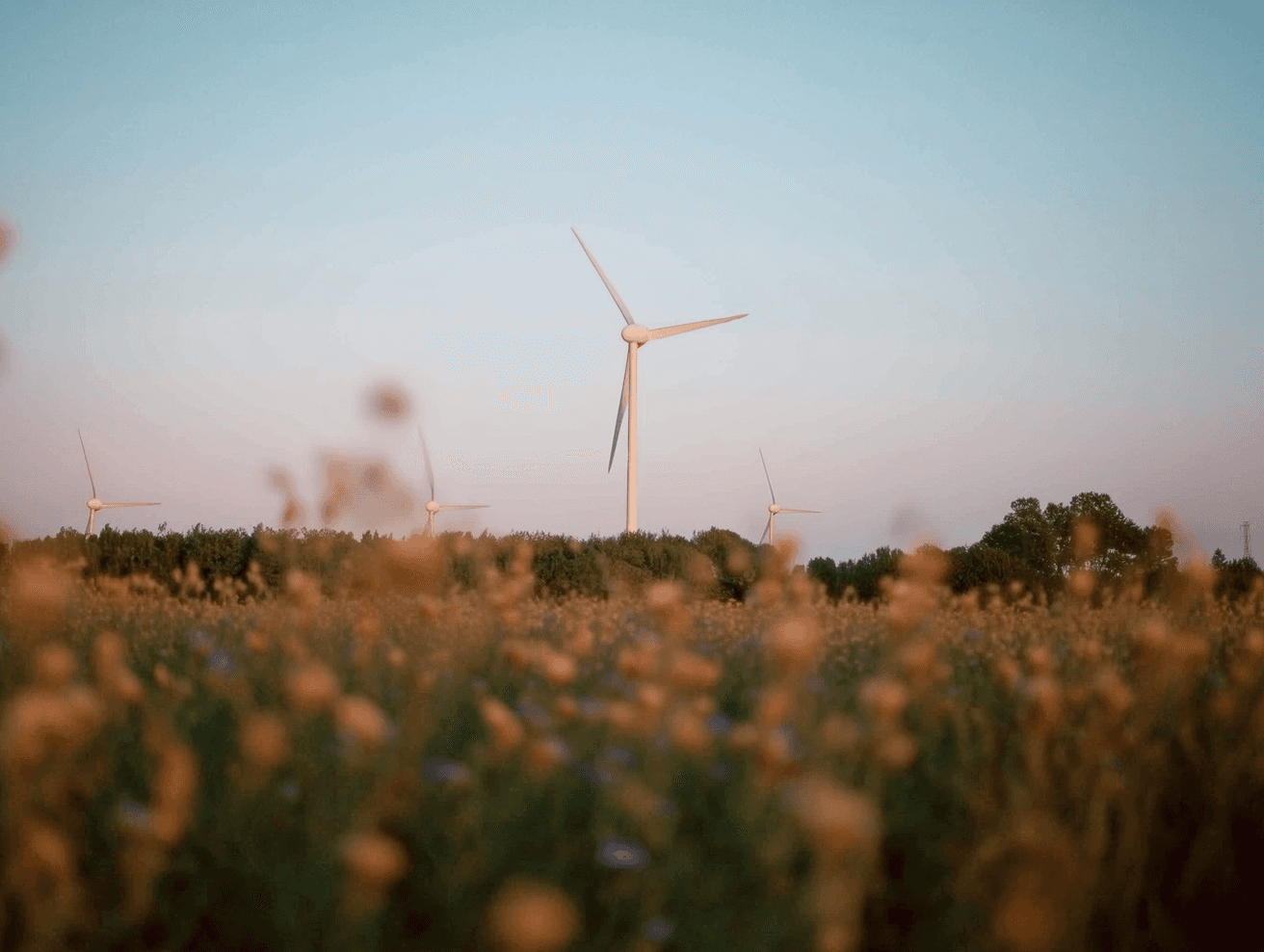
That long view shapes everything here, including where the energy comes from. Courteenhall generates its own power through underground energy pipes and rooftop solar panels, sourcing the remainder from fully renewable suppliers. "It's pointless producing our own energy and saying that we're green if we're actually buying a whole lot of other energy from the grid which isn't green at all," Johnny explains. The estate has been recognised by the National Farmers' Union as a Community Farming Hero, an award that celebrates British farmers who go beyond food production to support the communities around them. The Wake family has been in South Northamptonshire since the thirteenth century. What they are building now is not for them, but for whoever comes next. That is what eight hundred years of stewardship looks like. A living, working estate that grows more purposeful after every passing year.